
Archery
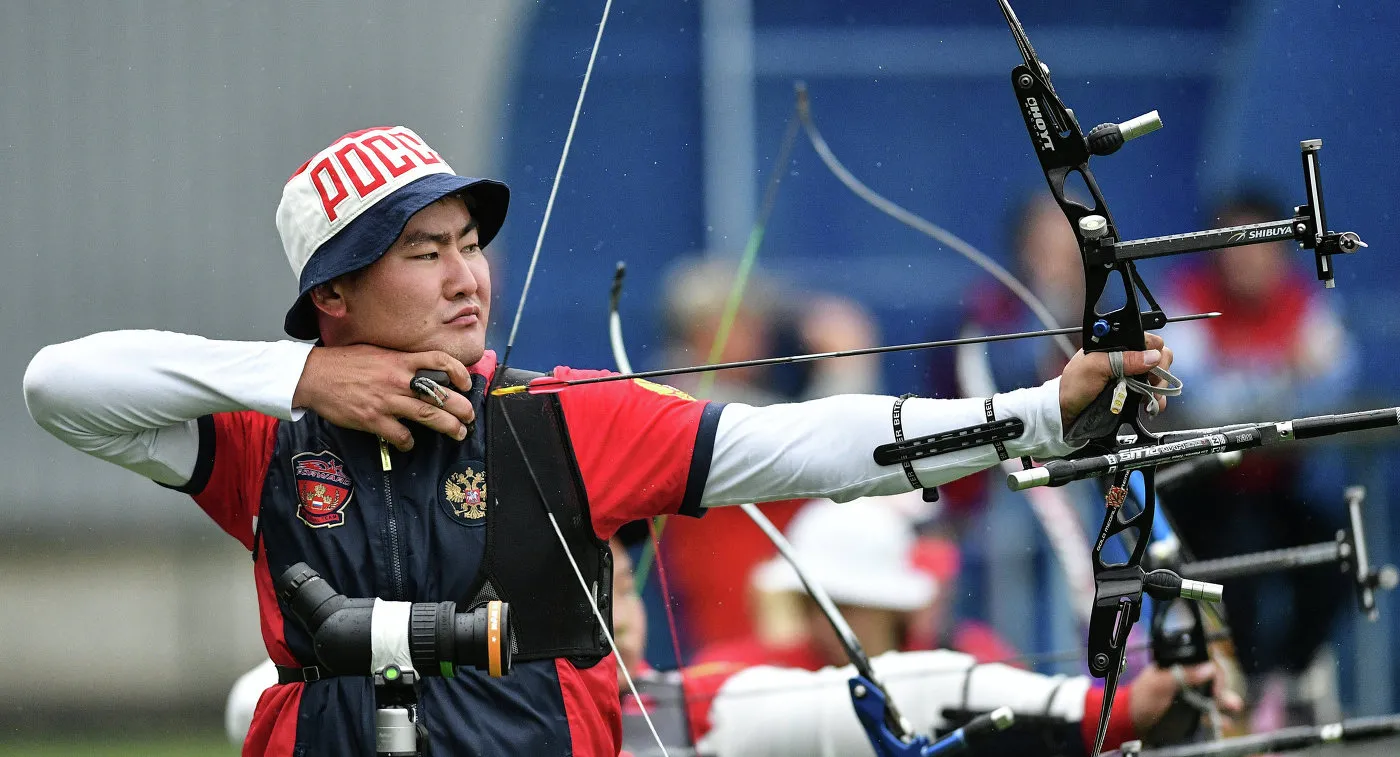
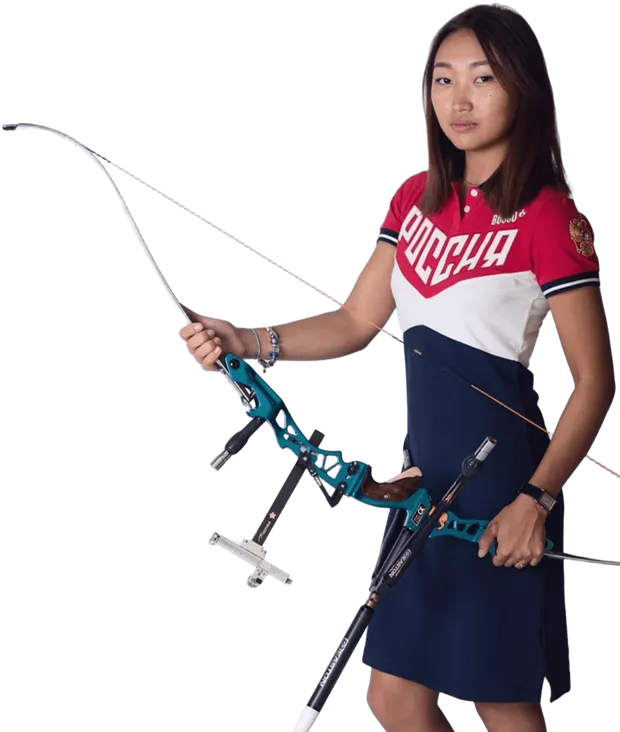
The goal of archery is to hit the innermost ring on a round target with a diameter of 1.22 m. Modern bows are made of fiberglass, and arrows are made of aluminum and carbon fiber.
The flight range of the arrow is 70 m, and its average speed is about 240 km/h. The weight of an Olympic bow is, on average, 2-3 kg.
The maximum score is 10, awarded for hitting the central ring, and each of the ten subsequent rings fr om the center decreases the score by 1. If the arrow lands on the border of the rings, the higher value is counted.
Inside the 10-point zone (or 'bullseye'), there is another ring called X10, which is used to determine how close an arrow is to the center. X10 also scores 10 points, but if two archers hit the same scoring zone, the winner is the one whose arrows are closer to the X10 zone.
During the preliminary competition, shooters make 12 series of 6 shots each, with each series limited to 4 minutes.
Interesting
Archery is the only Olympic sport wh ere people with disabilities have the same rights and opportunities and can compete in the overall standings.
Olympic Games
Archery appeared at the Olympic Games in Paris in 1900, was removed from the list of Olympic sports in 1920, and returned in 1972. In this sport, 4 sets of medals are contested in individual and team competitions for men and women.
Russia
Georgian athlete Ketevan Losaberidze won at the Olympic Games in Moscow and became the first and only Olympic gold medalist in archery in the history of Soviet sports. World champion (1987) and bronze medalist at the Seoul Olympics (1988) Vladimir Yesheev coached the national archery team of Portugal from 1993 to 1995, and is currently heading the Russian Federation of this sport.
Our Olympians