
Biathlon
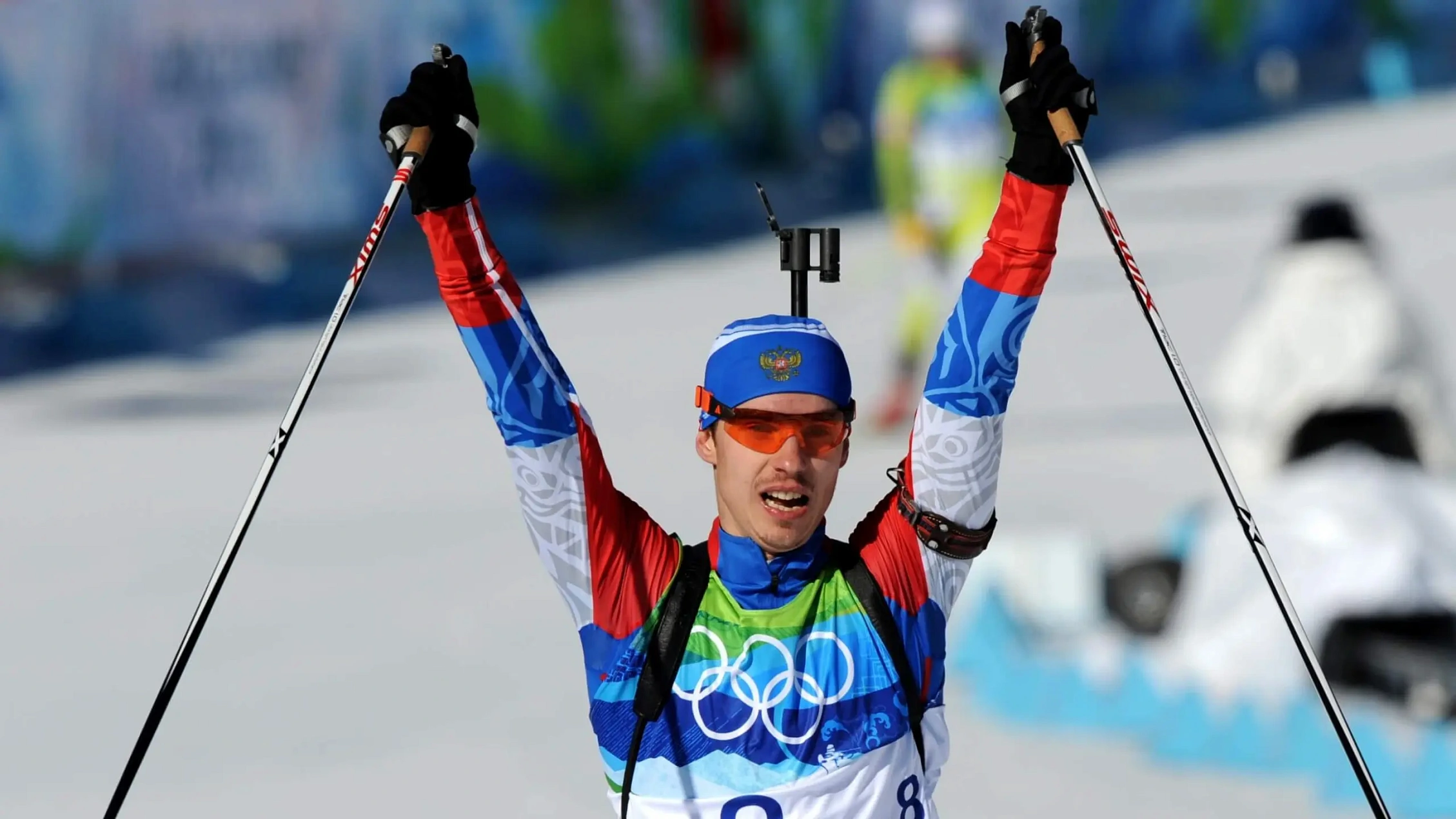
Biathlon is a winter Olympic sport that combines cross-country skiing with rifle shooting fr om the prone and standing positions at shooting ranges. From the time of the first official competitions until 1978, the caliber of biathlon rifles did not differ from that of military firearms.
Since 1978 and up to the present day, official competitions have been held using small-caliber rifles. Shooting is conducted at targets (five in total) from a distance of 50 meters. The diameter of the targets is 45 mm for prone shooting and 115 mm for standing shooting.
Olympic Disciplines
Individual race.
20 km for men and 15 km for women, with four shooting stages and an individual (interval) start. The first and third shootings are from the prone position, the second and fourth from the standing position. For each missed target, one penalty minute is added to the athlete’s total time.
Sprint.
The start is individual, as in the individual race. The distance is 10 km for men and 7.5 km for women. There are two shooting stages (the first prone, the second standing). For each miss, the athlete must ski a 150 m penalty loop.
Pursuit race.
Athletes start the race with time gaps determined by their deficit to the winner of the sprint held the previous day. The distance is 12.5 km for men and 10 km for women, with four shooting stages (the first and second prone, the third and fourth standing). Each miss results in a penalty loop.
Mass start.
The 30 strongest athletes (according to the current ranking) start simultaneously over distances of 15 km for men and 12.5 km for women. There are four shooting stages (the first and second prone, the third and fourth standing). Shooting lane positions are assigned according to the order of arrival at the range (at the first shooting—according to starting numbers). Each miss results in a 150 m penalty loop.
Relay.
A team competition consisting of four athletes. The distance of each leg is 7.5 km for men and 6 km for women. Shooting takes place at two stages, prone and standing. Unlike individual races, at each shooting stage an athlete uses five regular cartridges and, if not all targets are hit, may use three additional cartridges loaded manually. If targets remain unhit after using the extra cartridges, the athlete must ski penalty loops equal to the number of unhit targets.
Mixed relay.
A team competition consisting of two women and two men. It is conducted under the rules of the classic relay (leg distance: 6 km for women and 7.5 km for men). The first two legs are raced by women, and the third and fourth by men.
Interesting Facts
The earliest examples of biathlon competitions are considered to be events held by the Norwegian Ski Hunters’ Club in the 1860s, which combined skiing with shooting. Militarized ski marches were also held in units of the Red Army from the late 1920s (in early versions, athletes carried a rifle with a bayonet and a backpack weighing about 8 kg). Military patrol competitions were included in the program of the first Winter Olympic Games in Chamonix, wh ere athletes were awarded Olympic medals, and later appeared at two more pre-war Winter Olympics as demonstration events.
Olympic Games
Biathlon was officially included in the Winter Olympic Games program for the first time in 1960 in Squaw Valley, USA. At that time, only one set of medals was awarded—in the men’s individual race. The first Olympic champion in history was Swedish athlete Klas Lestander, while the first Olympic medal for domestic biathlon (bronze) was won by Alexander Privalov.
In 1968, the men’s relay was added to the Olympic biathlon program. Until 1992 (six Olympic Games in a row), gold medals in this discipline were won exclusively by the USSR national team.
Since 1992, women’s events have been included in the Olympic program. The first Olympic champion in women’s biathlon history was Anfisa Reztsova.
Today, biathletes compete for 11 sets of medals at the Olympic Games.
Russia
The first Olympic champion in the history of Russian biathlon was Vladimir Melanin (1964). Since then, Russian biathletes have won gold medals at every Winter Olympic Games without exception—an achievement unmatched by any other Russian team in winter sports or by any biathlon team worldwide.
The USSR–CIS–Russia teams have won 21 Olympic victories, more than any other national team.
The record holder for the number of Olympic gold medals (four) on the Russian team is Alexander Tikhonov, recognized as the best biathlete of the 20th century. The record holder for the total number of Olympic medals (two gold, three silver, and one bronze) is Sergey Chepikov, who won them competing under the flags of the USSR, the CIS, and Russia.
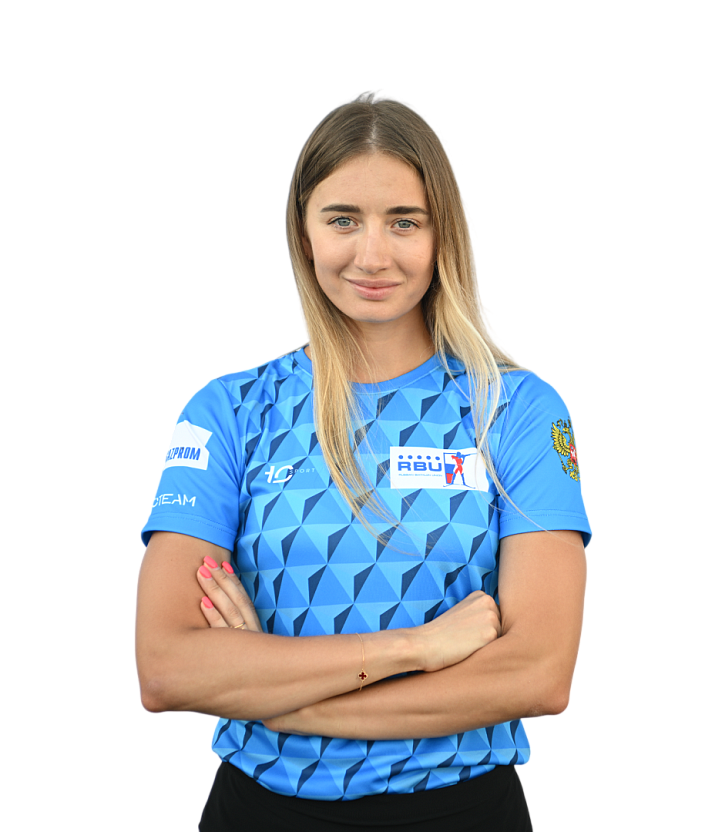
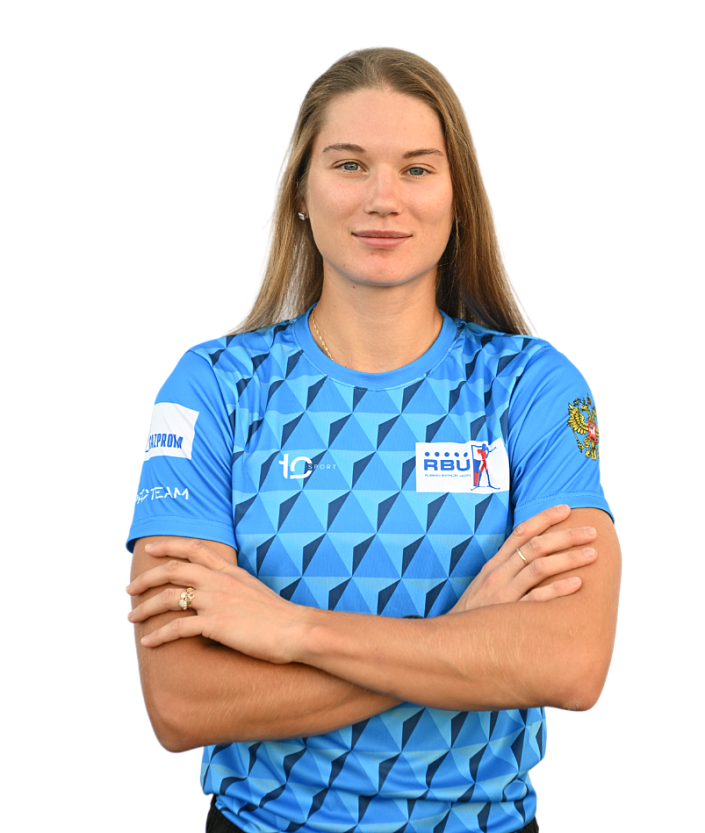
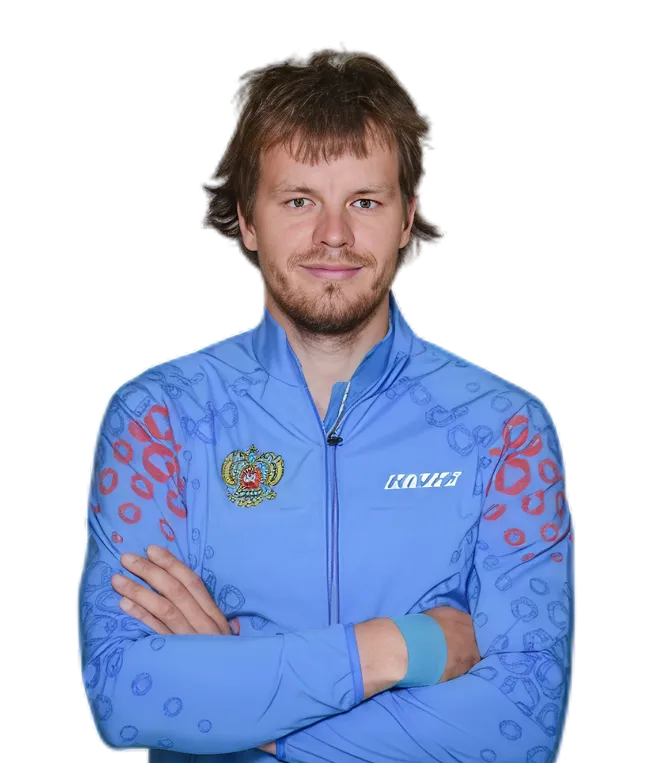
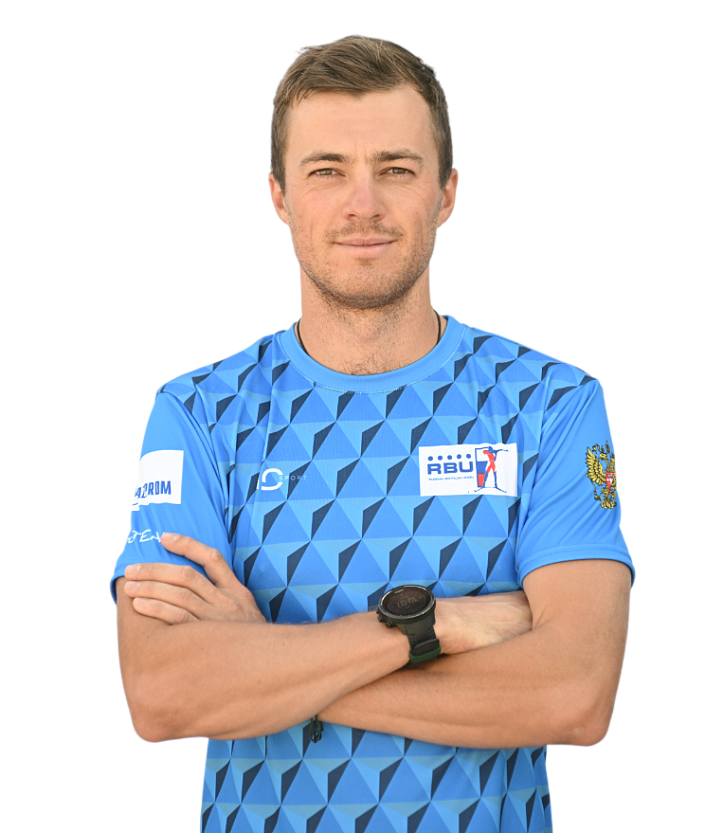
Our Olympians