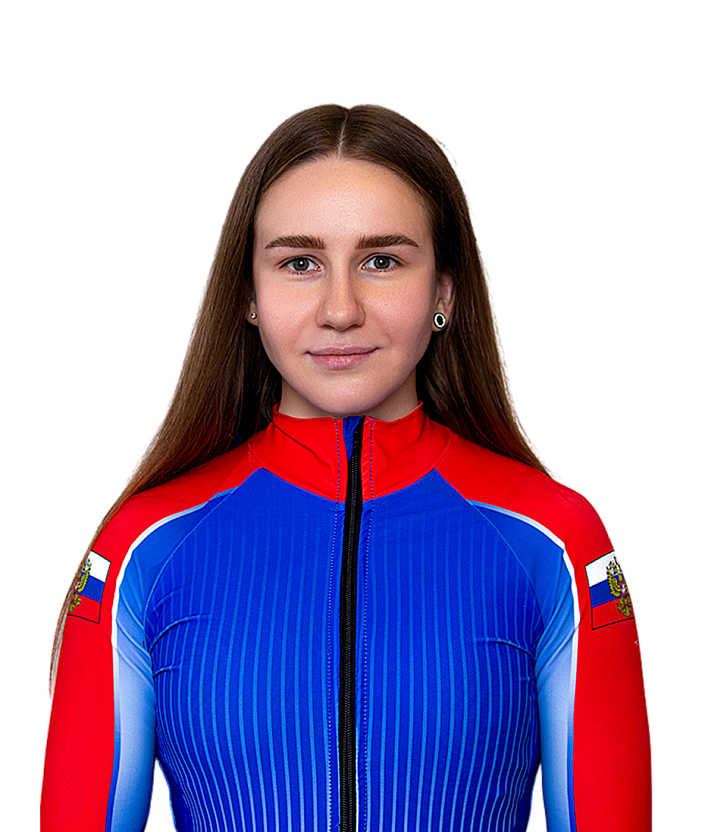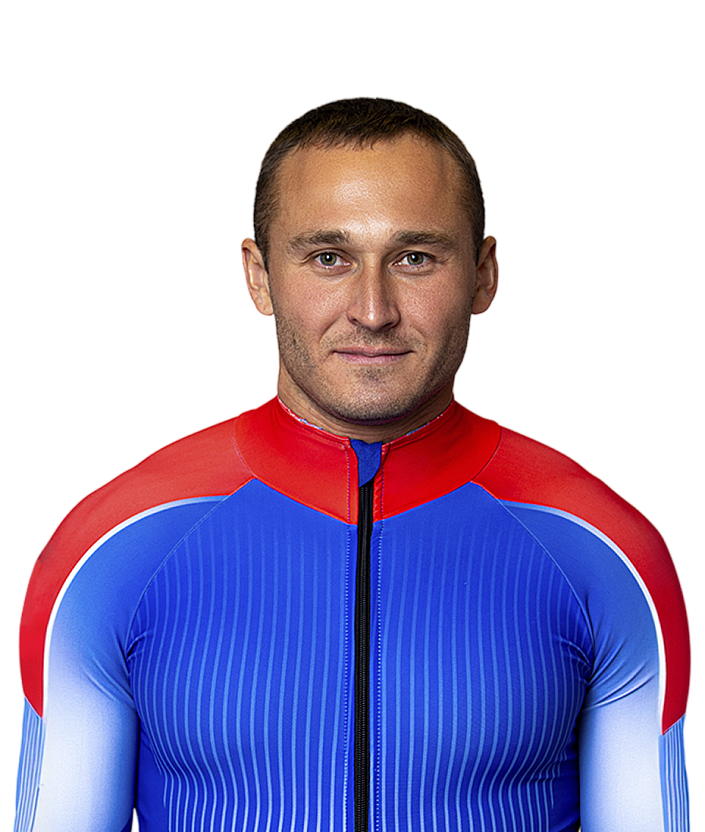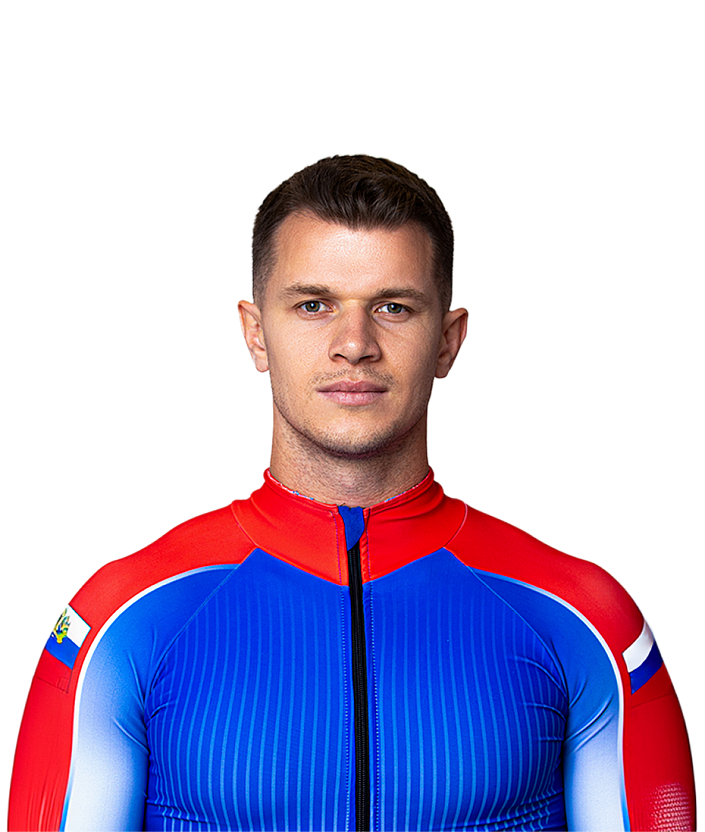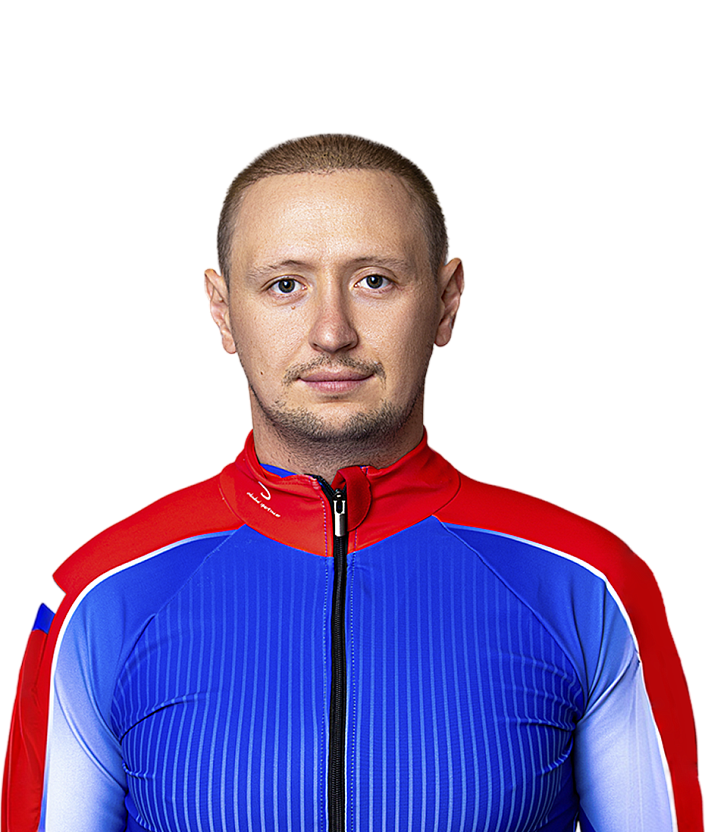

Bobsleigh

The length of a bobsleigh track ranges from 1,500 to 2,000 meters and includes 15 curves with a minimum radius of 8 meters. During a run, a bobsleigh can reach speeds of up to approximately 135 km/h in just 60 seconds, while athletes experience forces of up to four times gravity.
A bobsleigh crew consists of a pilot (driver) and a brakeman (seated at the rear). In a four-man team, there are also two pushers. Modern bobsleighs are made of a streamlined, all-metal body to ensure optimal aerodynamics, with two pairs of steel runners attached. The front pair of runners is movable and connected to the steering system, while the rear pair, equipped with a brake, is fixed.
Bobsleighs can be two-man or four-man. The combined weight of the crew is limited to 200 kg for two-man sleds and 400 kg for four-man sleds. The spikes on the soles of bobsleigh shoes must not be thicker than 1 mm, longer than 4 mm, and must be spaced at least 3 mm apart. Each team completes four runs. After the races, the results are totaled, and the winners are the teams with the lowest cumulative time. No more than two crews per country may compete at the Olympic Games.
Interesting Facts
The cost of a four-man bobsleigh, including spare parts and backup axles, is approximately €100,000. A set of runners costs around €10,000. The average cost of a single training run on a high-quality track is €55 for a four-man sled and €35 for a two-man sled.
Olympic Games
The first bobsleigh club was founded in 1897 in St. Moritz, and the first purpose-built tracks appeared between 1908 and 1910 in Austria and Germany. In 1923, the International Bobsleigh and Tobogganing Federation was established. Four-man bobsleigh made its Olympic debut in 1924 in Chamonix, while the two-man event was introduced in 1932.
Russia
The first bobsleigh team in the USSR was formed in 1980, and until 1985 the main training base of the national team was Oberhof, Germany. The first domestically produced bobsleigh was designed for the 1984 Winter Olympic Games in Sarajevo at the Riga VEF Factory and was recognized as a cutting-edge model. The efforts of the manufacturers were rewarded with a bronze medal in the two-man event, won by Zintis Ekmanis and Vladimir Alexandrov.
This marked the beginning of rapid development of the sport, and despite the lack of tracks, up to 50 crews competed in USSR championships. Teams existed in nearly all major cities of the Soviet Union. The first and only bobsleigh track in the USSR was built in Sigulda, in the Baltic region (designed by Germans and constructed by Yugoslavs). This allowed the Soviet team to win gold in the two-man event and bronze in the four-man event at the 1988 Winter Olympic Games in Calgary. The first Soviet Olympic champions in bobsleigh were Jānis Ķipurs and Vladimir Kozlov.
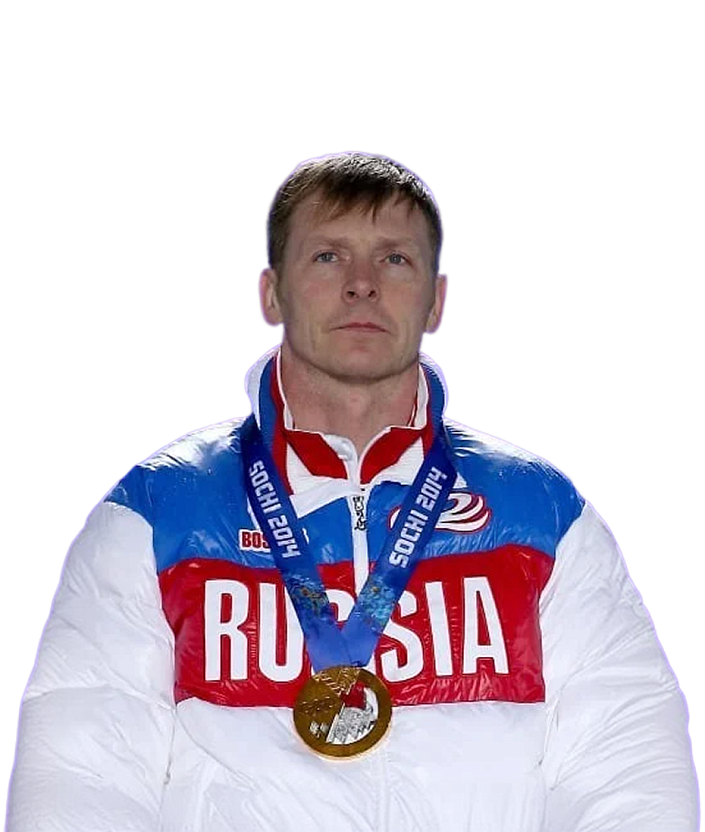
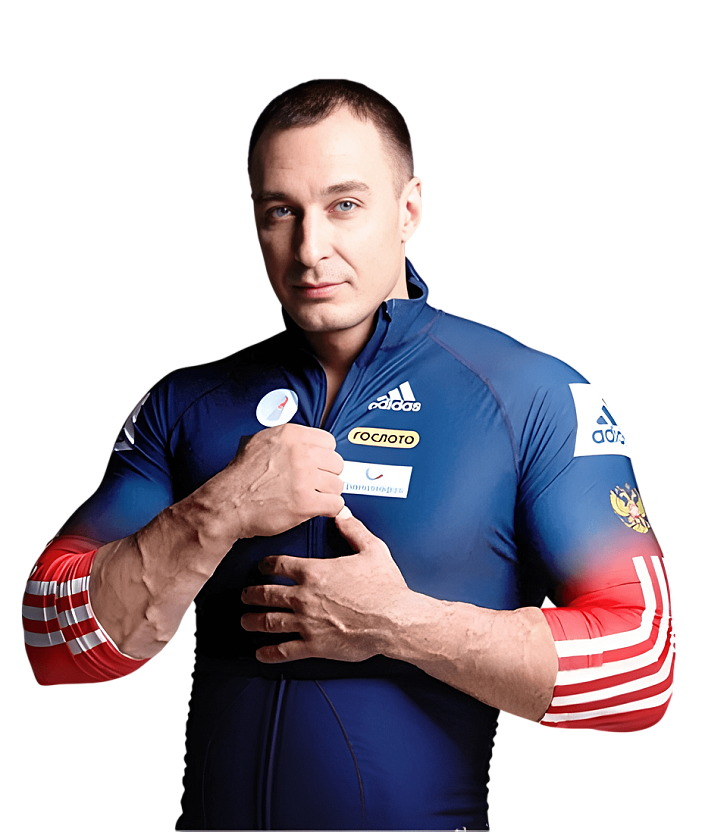
At recent Olympic Games, Russian bobsledders have also performed well. In 2006 in Turin, the Russian four-man crew—Alexander Zubkov, Filipp Yegorov, Alexey Seliverstov, and Alexey Voyevoda—won a silver medal. In 2010 in Vancouver, Zubkov and Voyevoda claimed bronze in the two-man competition.
Our Olympians